Filed 2 January 2012, 10:40 IST. Every price, volume and forecast below is reproduced as published on that date and is not a current quotation. For how the benchmarks themselves are set, see how gold is priced.
Mali produced 43.5 tonnes of gold in 2011, keeping it among the largest producers in sub-Saharan Africa. Gold was the country's dominant export and a substantial share of government revenue, and the total combined industrial output from a small number of large mines with an artisanal sector that could only be estimated.
The headline of this dispatch reads 43.5 tonnes. Its own address reads "435 tons", a slug error the desk made when the page was created, and one that is preserved rather than tidied, because an archive that silently corrects its own addresses is no longer an archive. The headline figure is the correct one.
Two production figures in one total
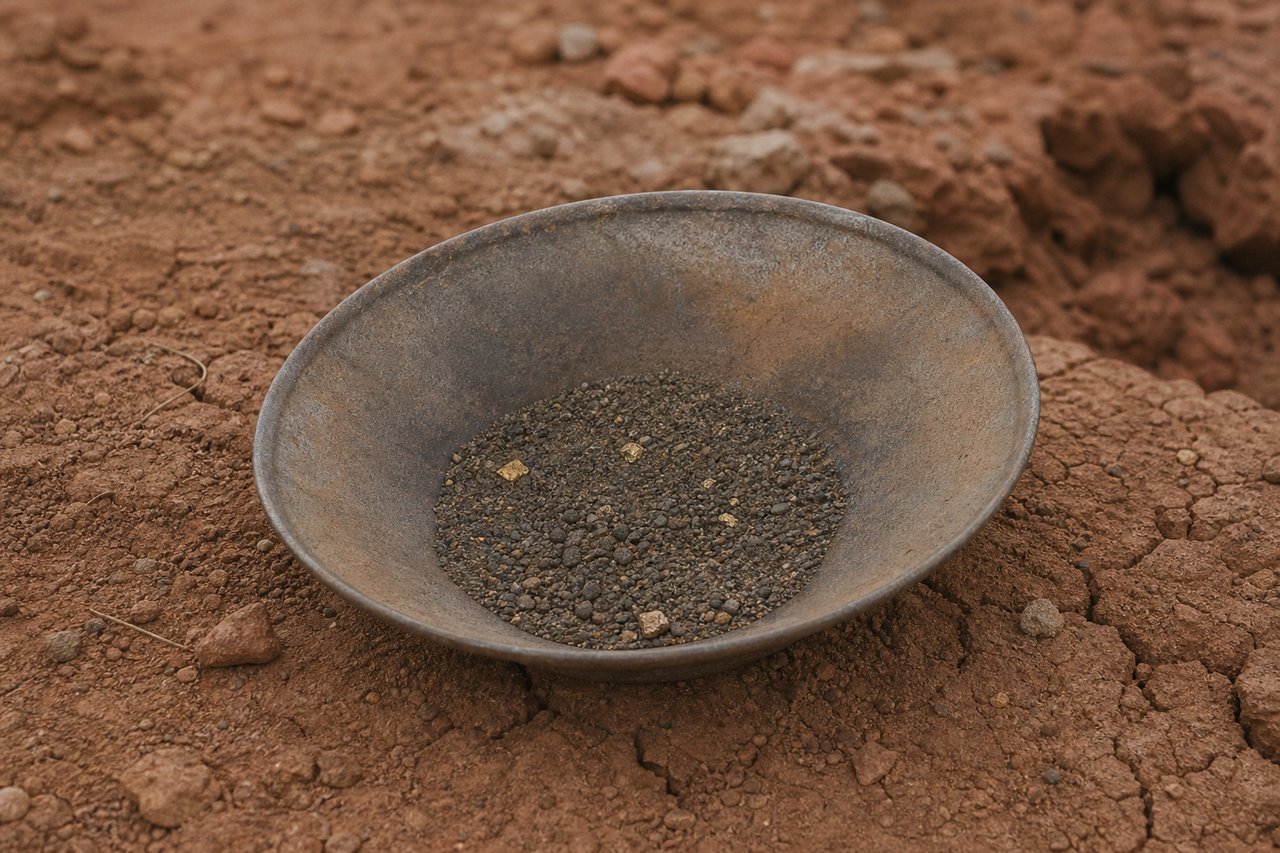
Industrial output is measurable: ore is milled, doré is poured, shipments are weighed and royalties are assessed on them. Artisanal and small-scale production is not. It is informal by definition, moves across borders without documentation, and responds to the gold price faster than any industrial operation can: a rising price puts more people on more ground within weeks.
So a national total for a country like Mali is an industrial number plus an estimate, and the size of the estimate is itself uncertain. This matters when such figures are used comparatively: a country with a large informal sector can appear to grow or shrink because the estimating method changed rather than because anything came out of the ground differently.
What gold meant to the economy
Gold dominated Malian exports and contributed materially to the budget, which creates a familiar dependency. When the price is high, revenue is comfortable and the fiscal terms of mining agreements come under domestic pressure to be renegotiated. When it falls, high-cost operations become marginal and the same government faces both lower revenue and the prospect of closures. The archive tracks that cycle across several African producers during these years.
The regional picture, covering Ghana, Burkina Faso, Tanzania, and the Chinese acquisitions of African assets that ran through this period, is in the mining section.
The artisanal share is what makes the total a range rather than a figure. Industrial output is refined, weighed and taxed at known points; informal production is counted where it surfaces, which is usually at a buyer rather than at a mine. A national total built from both is therefore an industrial number carrying an estimate, and the honest versions, including this one, say which part is which.
Questions about this dispatch
How much gold did Mali produce in 2011?
43.5 tonnes, as this dispatch reported. Note that the page's own address reads "435 tons": that is an error the desk made in the slug when the page was created. The address is preserved rather than tidied, because an archive that silently corrects its own addresses is no longer one; the headline figure of 43.5 tonnes is the correct one.
How reliable is a national gold production figure?
The industrial component is reliable: ore is milled, doré is weighed, royalties are assessed. The artisanal component is an estimate, and in several African producers it is a substantial share of the total. So national figures are a measured number plus an estimate, and comparisons between years can reflect a change in estimating method rather than in output.
Why does artisanal output respond faster to the price than industrial output?
Because it requires no capital decision. A higher price puts more people on more ground within weeks, whereas an industrial operation responds through mine plans and capital projects on a horizon of years. That difference is why informal production is the most price-elastic part of world supply and the least visible in the statistics.
This page restores an item first published on 2 January 2012, 10:40 IST at the address below. Cite the publication date rather than the date you read it: the material is a 2011 to 2016 document, and the date is what makes it meaningful.
https://www.bullionstreet.com/news/africas-mali-produces-435-tons-of-gold-in-2011/722