Filed 17 April 2012, 14:59 IST. Every price, volume and forecast below is reproduced as published on that date and is not a current quotation. For how the benchmarks themselves are set, see how gold is priced.
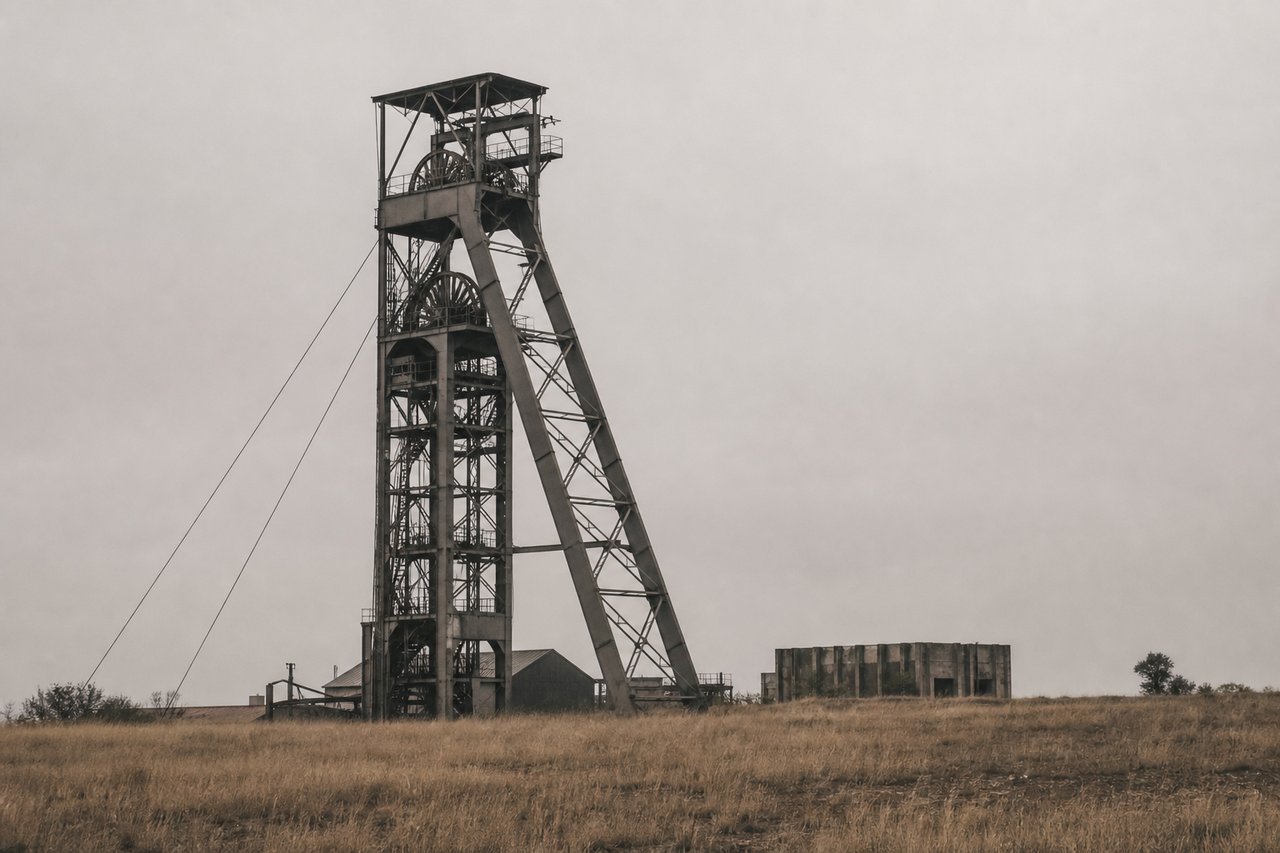
South African platinum production fell sharply, as shaft closures, safety-related stoppages and industrial action combined to remove ounces from a supply base that four countries barely share between them. Producers were also beginning to shut high-cost shafts permanently rather than idle them in expectation of a price recovery, a decision that removes ounces for good.
Platinum is the metal in this archive whose price is most nearly determined by supply, and its supply is concentrated in the Bushveld Complex. There is no fourth significant source. A disruption at a handful of South African shafts therefore moves a world price in a way no individual gold mine ever could.
Three different kinds of lost ounce
They are routinely reported together and behave completely differently. A strike removes production temporarily and the ounces are recoverable, sometimes partly through higher output afterwards. A safety stoppage, a mandatory halt following an incident, is shorter but unpredictable, and its cumulative effect over a year can exceed a single long strike. A permanent closure removes the ounces altogether.
The third category is what makes this dispatch matter more than a production statistic. Restarting a deep shaft that has been allowed to flood or degrade is close to a new-mine decision in cost and timescale, so those ounces do not return when the price does. The supply base that emerged from these years is structurally smaller, which is a different fact from a bad quarter.
Why the price response was muted
Because platinum has a second supply source that gold effectively lacks: recycling. Platinum-group metal in a spent autocatalyst is concentrated enough to be worth recovering, and a mature industry exists to do it. Together with above-ground stocks, that absorbed much of the shortfall, which is why the largest supply interruption in this entire archive did not produce the squeeze its tonnage implied.
The gap between a real supply loss and a muted price is among the more instructive things in this file, and it is visible only because the reporting was contemporaneous: the expectation of a squeeze and its non-arrival appear in the same months rather than being reconciled afterwards. The wider PGM picture is in the PGM section, and the mine-level file in mining.
The cost problem underneath
South African platinum mining is deep, labour-intensive and getting deeper, which means costs rise in real terms even when nothing goes wrong. When the metal price stopped rising, a substantial part of the industry's production was uneconomic at any plausible short-term price, so the closures were not a reaction to the disruption but a decision the disruption made it possible to take. That distinction is the reason the ounces did not come back.
Questions about this dispatch
Why did South African platinum production fall?
Three causes at once: industrial action, mandatory safety stoppages following incidents, and shaft closures. The third is the important one: producers began shutting high-cost shafts permanently rather than idling them, because a substantial part of the industry's output was uneconomic at any plausible near-term price.
Why does South African disruption move the world platinum price?
Because economically minable platinum-group deposits are overwhelmingly in the Bushveld Complex, with much smaller contributions from Norilsk in Russia and by-product output from nickel mines in Canada and Zimbabwe. There is no fourth source of consequence, so a handful of shafts represents a large share of world supply.
Why did the price not rise more when supply fell?
Because platinum has a substantial secondary supply source that gold effectively lacks. Metal in spent autocatalysts is concentrated enough to recover profitably, and a mature recycling industry plus above-ground stocks absorbed much of the shortfall. That is why the largest supply interruption in this archive produced a smaller price response than its tonnage suggested.
This page restores an item first published on 17 April 2012, 14:59 IST at the address below. Cite the publication date rather than the date you read it: the material is a 2011 to 2016 document, and the date is what makes it meaningful.
https://www.bullionstreet.com/news/platinum-production-plunges-in-south-africa/1599